Need termite treatment help in Chanhassen?
Describe your pest or wildlife problem and request an estimate from a local provider in our network. There is no obligation to hire anyone.
No obligationRequest a termite estimate
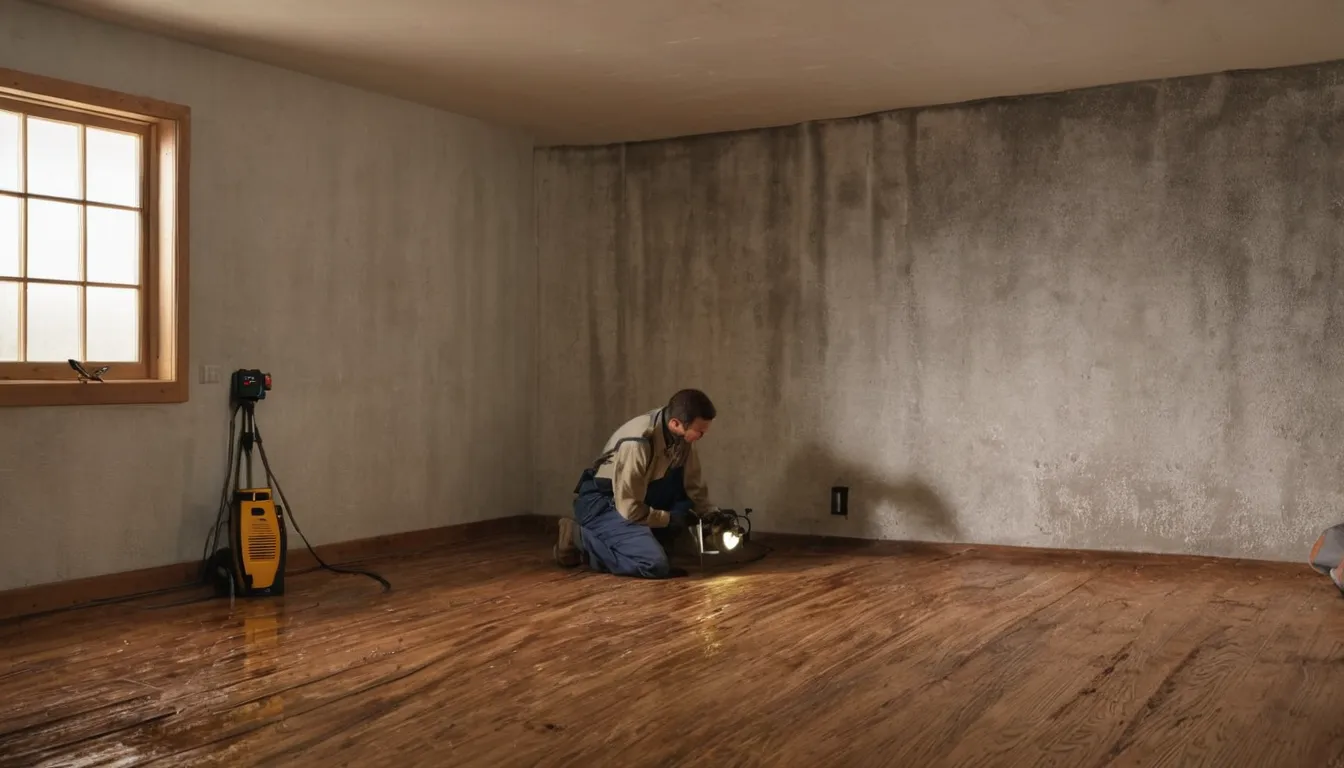
Termites work quietly inside wood, so by the time you see them, they have often been at it for a while. If you found mud tubes, piles of wings or wood that sounds hollow, the next step is a proper inspection.
Ourlaughing Pest Control is a referral service. We do not do the treatment ourselves. We match your request with an independent provider in our network who serves the Chanhassen area. You can learn what to check on your own, what to leave to a pro, and how to protect the house once the work is done. Request an estimate, compare what providers offer, and decide with no obligation.
Stay calm, but do not wait long. Termites rarely go away on their own. The sooner a trained provider looks at the damage, the smaller the repair tends to be.
If you want a hand finding someone, request an estimate and a local provider from our network can follow up.
You can do a few things before anyone arrives:
Poking at activity can scatter the colony. The termites then move to a new spot, and treatment gets harder.
Hardware-store sprays kill the few insects you can see. They do not reach the colony in the soil or the walls. Treating a foundation needs special products, tools and training. Hand this part to a provider.
Termites eat wood from the inside. Floor joists, sill plates and wall studs can weaken before the surface shows anything. In older frame houses, that can mean costly repairs. A quick inspection is far cheaper than a rebuilt floor.
Grab a flashlight and a screwdriver. Walk the outside of the house, then check the basement and crawl spaces. Look for:
Termite swarmers have straight antennae, a thick waist and two wings of equal length. Flying ants have bent antennae, a pinched waist and uneven wings. Save a few in a jar for the provider.
The type decides the treatment, so a provider will start by identifying it.
These live in soil and travel up through mud tubes. Cold winters and humid summers suit them well, and they are the most common kind in homes with full basements.
These live inside the wood itself and leave dry pellets. They are less common in cold climates, but they can arrive in furniture or lumber.
Expect an inspection first. The provider checks the foundation, basement, crawl space and attic, then explains what they found and what they suggest.
A liquid barrier is applied in the soil around the foundation. Bait stations sit in the ground and let termites carry the product back to the colony. Some providers use both.
Small, local problems may need only a targeted treatment. Widespread drywood problems may call for tenting. The provider will explain why they picked the method.
Buying or selling? Lenders often ask for a written termite report. Order it early. If it turns up activity, you will have time to treat it and negotiate calmly. Request a callback to check provider availability for an inspection.
Get at least two written quotes. Compare the method, the area covered and what is included. Ask to see current state licensing and proof of insurance from the provider.
Some policies may cover sudden damage, but termite damage is often excluded, so check your policy.
Treatment kills the colony. It does not repair the wood. Replace or reinforce damaged framing, then seal gaps where pipes and wires enter the house.
Wet soil draws termites toward the foundation. Test your sump pump before spring thaw and make sure it drains well away from the house. A dry basement is a less friendly place for them.
Ready to get started? Request an estimate and compare your options.
A provider checks the foundation, basement, crawl space and attic for live activity and damaged wood.
Knowing the species decides whether you need soil treatment, bait stations or a wood-focused approach.
You get a written plan that explains the method, the areas covered and the steps ahead.
Many providers offer re-checks or renewals so you can confirm the colony is gone.
Prices vary with house size, termite type and how far the damage has spread. These are typical U.S. ranges only, so get a written quote before you agree to anything.
| Item | Typical range | Notes |
|---|---|---|
| Termite inspection | $50 – $300 | Some providers bundle it with treatment; home-sale reports may cost more. |
| Spot treatment | $200 – $900 | Fits small, local problems in one area. |
| Liquid soil barrier | $1,000 – $2,500 | Cost rises with the length of foundation treated. |
| Bait station system | $1,500 – $3,500 | Often includes monitoring visits. |
| Tent fumigation | $1,500 – $4,000 | Used for widespread drywood problems. |
| Yearly renewal or monitoring | $100 – $400 | Coverage terms differ, so read the fine print. |
Take photos and jot down where you saw tubes, wings or soft wood around the house.
Send in your details and we pass them to a local provider in our network.
Look at the method, the coverage and the written terms before you decide.
After treatment, fix damaged wood, seal gaps and keep moisture away from the foundation.
Each request goes to a provider in our network who works in your part of the area.
Start with a written estimate, compare your options and move forward only when it feels right.
You learn what you can check yourself and when the job needs a pro.
Requesting an estimate does not commit you to hiring anyone.
Describe your pest or wildlife problem and request an estimate from a local provider in our network. There is no obligation to hire anyone.
No obligationTermites leave mud tubes and fine pellets, and their wood looks layered and packed with dirt. Carpenter ants leave clean, smooth tunnels and sawdust-like piles. A provider can confirm which one it is during an inspection.
Store products may kill a few visible insects, but they rarely reach the colony hiding in soil or walls. Termite control usually needs professional products and equipment, so DIY works better for smaller tasks like sealing gaps and reducing moisture.
Many policies exclude termite damage because it is considered preventable wear. Some policies may cover sudden damage, so check your policy and ask your provider how they can help document the damage for a claim.
Describe your pest or wildlife problem and request an estimate from a local provider in our network. There is no obligation to hire anyone.
No obligation